Request a Quote
Tell us about your insulated glass requirements
Insulated Glass Manufacturer
Insulated glass (IGU) consists of two or more glass panes separated by a gas-filled spacer, sealed as a single unit. It dramatically improves thermal insulation, acoustic performance, and energy efficiency — the standard choice for modern curtain walls, high-performance windows, and green building projects worldwide.

Why Choose Us as Your Insulated Glass Manufacturer
Full IGU Configurations
Double glazing, triple glazing, Low-E IGU, laminated IGU, tinted IGU — any combination available
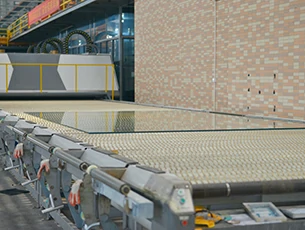
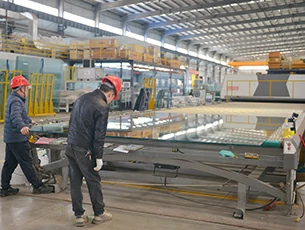
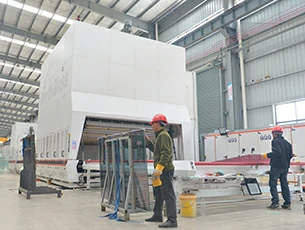
Automatic Production Line
Hanjiang fully-automatic IGU line with precision spacer application, gas filling, and dual-seal system
Warm Edge Technology
Stainless steel and composite warm edge spacers reducing thermal bridging for superior U-value performance
Argon & Krypton Gas Fill
Precision gas filling (≥90% concentration) for maximum thermal insulation between panes
Strict Seal Quality
ISO 9001 certified with dew point testing, gas concentration verification, and accelerated aging tests
25+ Years Expertise
Experienced in supplying IGU for large-scale curtain wall and high-rise projects across 80+ countries
Factory-Direct Pricing
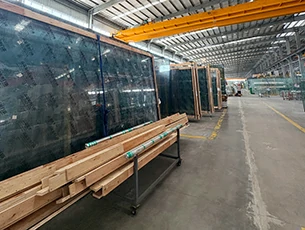
1,000,000㎡ raw glass stock with in-house Low-E coating capability for competitive cost advantage
Looking for Premium Insulated Glass for Your Project?
We offer full customization to meet your exact thermal and acoustic specifications
Size
Custom dimensions up to 18,000 × 3,300mm — jumbo IGU panels for landmark facades
Thickness
Total IGU thickness from 12mm to 60mm+ depending on pane count and spacer width
Combination
Tempered + IGU, laminated + IGU, Low-E + IGU, triple glazing, any glass combination
Gas Filling
Argon (standard), Krypton (premium) — ≥90% concentration for optimal insulation
Spacer Type
Aluminum spacer, warm edge (stainless steel / composite), super spacer for best U-value
Coating
Single/double/triple silver Low-E, reflective coating, self-cleaning nano coating
How We Test the Quality of Our Insulated Glass
Dew Point Test
Measures moisture content inside the sealed cavity — must achieve ≤ -40°C dew point per EN 1279
Gas Concentration Test
Verifies argon/krypton fill level ≥ 90% using gas analyzer to ensure stated thermal performance
Seal Durability Test
Accelerated aging simulation (UV, humidity, temperature cycling) to validate long-term seal integrity
Thermal Transmittance (U-value)
Measures heat transfer coefficient to confirm energy efficiency meets project specifications
Acoustic Performance Test
Sound transmission loss measurement (Rw value) for projects requiring noise reduction certification
Dimensional & Visual Inspection
Checks overall thickness, spacer alignment, edge seal width, glass clarity, and surface defects
Insulated Glass Uses
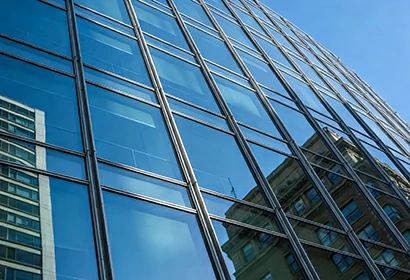
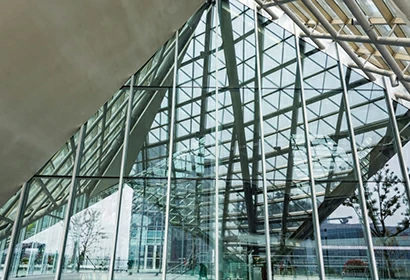
Curtain Walls
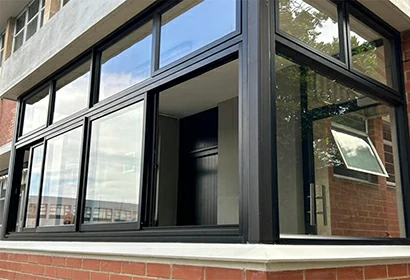
Windows & Doors
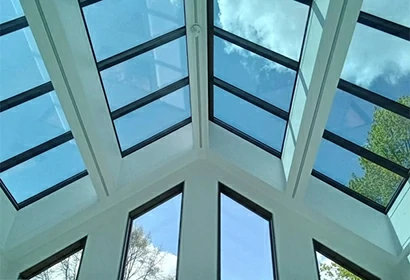
Skylights & Roof Glazing
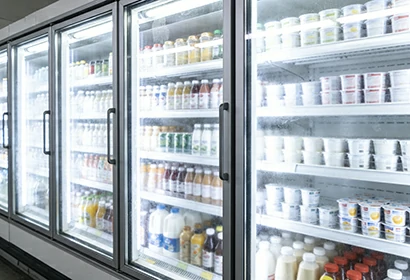
Refrigeration & Display Units

Hotels & High-End Residential
Industrial & Specialized
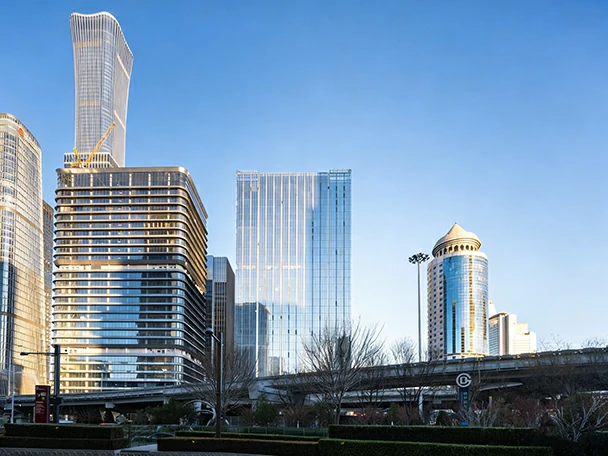
Projects Using Our Insulated Glass


Simple 5-Step Process
Inquiry
Quotation
Production
Inspection
Shipping
What Is Insulated Glass?
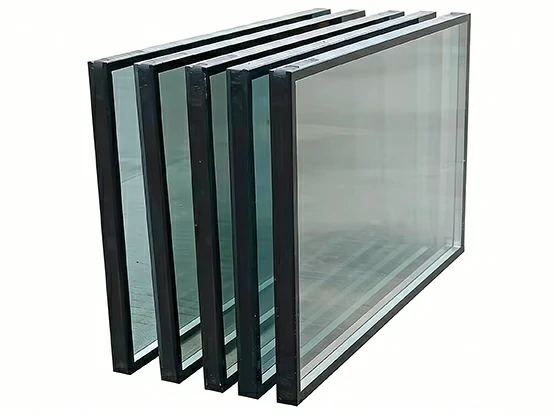
Insulated glass (also called insulating glass unit, IGU, or double/triple glazing) consists of two or more glass panes separated by a sealed air space. The cavity is typically filled with dry air or an inert gas such as argon or krypton, and sealed with a primary (butyl) and secondary (polysulfide or silicone) sealant system.
The trapped gas layer acts as a thermal barrier, dramatically reducing heat transfer through the glass. When combined with Low-E coatings, insulated glass can achieve U-values as low as 1.0 W/m²K (double) or 0.6 W/m²K (triple), making it essential for energy-efficient building envelopes and green building certifications (LEED, BREEAM, etc.).
Benefits of Insulated Glass
Thermal Insulation
Reduces heat loss in winter and heat gain in summer — up to 70% better than single glazing
Sound Insulation
Significantly reduces external noise — up to 35-42 dB with asymmetric pane configurations
Energy Efficiency
Dramatically lowers HVAC costs — essential for green building and LEED certification
Condensation Control
Warm interior glass surface prevents condensation in cold climates
UV Protection
Low-E coating blocks up to 95% of harmful UV radiation, protecting interiors
Safety Options
Can be combined with tempered or laminated glass for safety-rated IGU
Design Flexibility
Available in any color, coating, tint — double or triple configurations
Durability
10-20+ year lifespan with proper seal quality — backed by our quality guarantee
Insulated Glass vs. Tempered Glass
| Property | Insulated Glass (IGU) | Tempered Glass |
|---|---|---|
| Structure | Two or more panes + gas-filled spacer + sealed unit | Single pane, heat-treated |
| Core Function | Thermal & acoustic insulation | Impact strength & safety |
| Energy Efficiency | Excellent — U-value as low as 0.6 W/m²K (triple) | Same as equivalent single pane |
| Safety | Depends on glass type used (can include tempered) | Shatters into safe granules |
| Composition | Multi-component sealed system | Single processed glass panel |
| Applications | Curtain walls, windows, skylights, cold/hot climates | Doors, showers, railings, facades |
| Customization | Glass type + spacer + gas + coating combinations | Size, shape, color, edge treatment |
| Cost | Higher (multi-pane + sealing + gas) | Moderate (single panel processing) |
Tempered Glass is about safety.
Insulated Glass is about energy efficiency and comfort.
In most modern projects, insulated glass is made using tempered glass — combining the benefits of both.
FAQs About Insulated Glass
What is insulated glass made of?
Insulated glass typically consists of two or three glass panes, separated by an aluminum or warm-edge spacer bar, with the cavity filled with dry air or inert gas (argon/krypton). The entire unit is sealed with a primary butyl sealant and a secondary structural sealant (polysulfide or silicone) to prevent moisture ingress.
How long does insulated glass last?
A well-made IGU typically lasts 10-20+ years depending on seal quality, installation conditions, and environmental exposure. Units with high-quality dual-seal systems and warm-edge spacers tend to have longer lifespans. Our IGU production uses fully automated sealing for consistent quality.
What causes insulated glass to fail?
The most common cause of IGU failure is seal degradation, which allows moisture to enter the cavity and cause internal fogging or condensation. This can be caused by UV exposure, thermal cycling, poor-quality sealant, or improper installation. Our strict dew point testing and accelerated aging tests help ensure long-term seal integrity.
Can insulated glass be repaired?
In most cases, a failed IGU cannot be repaired and must be replaced as a complete unit. This is because the sealed cavity system cannot be effectively resealed once the primary seal has failed. Prevention through quality manufacturing and proper installation is key.
Is insulated glass energy efficient?
Yes, insulated glass is one of the most effective ways to improve a building's energy efficiency. A standard double-glazed IGU with Low-E coating and argon fill can reduce heat loss by up to 70% compared to single glazing. Triple glazing with Low-E can achieve U-values as low as 0.6 W/m²K, significantly reducing HVAC costs.
What is the difference between double glazing and insulated glass?
Double glazing is a type of insulated glass — specifically, an IGU made with two glass panes. "Insulated glass" is the broader term that includes double glazing (2 panes), triple glazing (3 panes), and even quadruple configurations. All share the same principle of gas-filled sealed cavities for thermal insulation.
How do I choose the right insulated glass?
The right IGU depends on your climate (hot vs cold region), application (residential vs commercial), and performance requirements. For cold climates, prioritize low U-value with triple glazing + Low-E + argon. For hot climates, focus on solar control with reflective or tinted Low-E. For acoustic needs, use asymmetric pane thickness or laminated IGU. Our engineering team can recommend the optimal configuration for your project.
Client Testimonials
"LIYUAN supplied triple-glazed Low-E IGU for our commercial tower in Abu Dhabi. The U-value and solar heat gain coefficient matched the specifications exactly. Their dew point test reports gave us full confidence in long-term seal performance."
"We needed acoustic IGU with asymmetric pane configuration for a hotel near the airport. LIYUAN's engineering team recommended the optimal combination and the sound test results were excellent. Very professional supplier."
"We have been purchasing IGU from LIYUAN for 5 years across multiple high-rise projects. Their argon fill consistency and seal quality are among the best we have seen. Stable supply, competitive price."
Request a Quote for Insulated Glass
Fill in your requirements and our team will respond within 24 hours